

The Health Council of the Netherlands (Gezondheidsraad) recommends 0.2 mg/m3 for inhalable wheat flour dust as an 8 hour average. That is a health based recommendation and not a statutory limit, but it shows how sensitive the subject is. Every cleaning job that stirs up flour works against that aim.
Below you can read how to approach extraction and ventilation in a craft or industrial bakery, which equipment from Lamers Reinigingstechniek fits and where ATEX comes into play.

Why is flour dust in bakery ducts a problem?
Flour that gets into the air ends up in extraction hoods, in ducts above dough machines and in the supply side of the ventilation. It builds up there. When a fan starts or the building vibrates, part of it comes loose again and settles in the work area. That way a duct becomes a second source of dust, even if you keep the floor clean every day.
The Health Council's advice concerns sensitisation: according to the advice, 0.2 mg/m3 of inhalable wheat flour dust over 8 hours corresponds to an additional risk of 1 percent of becoming hypersensitive. For comparison: in Belgium the sector fund Alimento uses a limit of 0.5 mg/m3 for flour dust over 8 hours. Those figures are not a requirement for your ducts, but they make clear that every cloud of dust counts.
Where flour collects
- Extraction hoods above mixers and kneaders.
- Horizontal duct sections, where dust settles and stays.
- Bends and reducers, where the air velocity drops.
- Grilles and valves in the shop next to the bakery.
Flour dust extraction cleaning: the basic rules
The sector is clear about this. Alimento calls compressed air, hand brushes and brooms a definite no and advises an industrial vacuum cleaner with HEPA. TNO writes in a memo for the bakery sector that you no longer use compressed air for cleaning but a vacuum cleaner, for which an M class filter is sufficient. In EX zones, according to TNO, an industrial vacuum cleaner with ATEX 114 certification is essential.
| Method | Suitable in a bakery? | Why |
|---|---|---|
| Compressed air in the open room | ✗ | Blows flour into the work area |
| Hand brush or broom | ✗ | Stirs up dust |
| Industrial vacuum cleaner with M class or HEPA filter | ✓ | Picks up dust at the source |
| Rotating duct brush with extraction on the duct | ✓ | Dirt goes into the extraction, not into the room |
| Vacuum cleaner without ATEX certification in an EX zone | ✗ | TNO calls ATEX 114 essential |
The key point: the duct is under negative pressure while you clean. Everything the brush loosens goes straight into the extraction. The components for this are listed under duct sealing balloon for cleaning contractors.
ATEX and explosion risk in bakery ventilation ducts
Flour, meal and sugar are combustible substances. According to the TNO memo, a dust explosion is only possible above 60 g/m3 of fine dust in the air. You will not reach that during normal work in a bakery, but you can in an enclosed space where a thick layer of dust is suddenly blown up. A duct or extraction cabinet is exactly that kind of space.
That is why any cleaning job should fit within your explosion protection document. If you have designated EX zones, that classification determines which equipment you may use there. An ordinary 230 volt machine is not automatically suitable for such a zone.
Checklist before you start
- Check in your explosion protection document whether the duct or cabinet falls within an EX zone.
- Remove coarse dust first with a suitable industrial vacuum cleaner.
- Switch off the ventilation and lock it so it cannot be switched on.
- Seal off the section and apply negative pressure.
- Use equipment that is permitted in the zone concerned.
Not sure which version is suitable for your zone? Ask Lamers for advice on the right machine before you order. Besides duct cleaners, Lamers also supplies industrial vacuum cleaners.
Which equipment should you choose for bakery extraction duct cleaning?
Bakeries often have a mix of short, small ducts at the hoods and longer runs to the roof. That determines the choice.
- Small bakery, short ducts: PD4 duct cleaner for cleaning contractors is driven by a power drill on battery or mains and has a shaft of 2.5 to 7.5 metres. Handy for the small ducts at hoods and grilles.
- Larger bakery or long runs: the DC4 duct cleaner for cleaning contractors reaches up to 30 metres and cleans ducts of 100 to 600 mm, including vertical runs and 90 degree bends.
- Brushes: flour is light and dry, so a soft or standard brush is often enough. Caked deposits with grease and moisture sometimes need a more aggressive Tynex brush. Read how to approach duct cleaning brushes for cleaning contractors.
Compressed air cleaning is not a first choice in a bakery, given the advice not to use compressed air. If you still want to work with a compressed air nozzle in a fully sealed duct under negative pressure, discuss it first with your prevention officer and record it in your work instruction.
An overview of all machines and sets is on the page where you can duct cleaning kit for cleaning contractors.
Fictional example: a craft bakery with a shop
A bakery has a production room with two kneaders and an oven, and next to it a shop with its own ventilation. The baker notices a fine white layer forming on the shelves in the shop, even though the door between bakery and shop is usually closed.
An inspection shows that the extraction above the kneaders and the extract from the shop join in one duct to the roof. Because of contamination, the resistance in the bakery section has increased, so that air carrying flour partly flows back through the shop section. The solution has two parts: clean the duct under negative pressure and have the installer check the air balance.
What this example shows: complaints in the shop can have their cause in the bakery. The principle that air must not flow from dirty to clean applies here too. Larger companies will find that principle worked out under air hygiene in the food sector.
How often should ventilation ducts in a bakery be cleaned?
There is no statutory frequency for bakery ducts. What is established: under article 6.2 of the Working Conditions Decree (Arbobesluit), an employer must ensure sufficient uncontaminated air and the installation must always be in working order. A duct full of flour does not help with that.
| Component | Signal to clean | Practical check |
|---|---|---|
| Extraction hood above kneader or mixer | Visible layer of flour inside the hood | Weekly visual check |
| Filters in the extraction | Higher resistance, less draw | According to the manufacturer |
| Duct to the roof | Dust layer at the access panel | Periodically with camera or panel |
| Valves in shop and office | Grey edge around the valve | During routine cleaning |
Does your business also fry or grill? Then grease is added to the mix. Other points of attention apply there, which you will find under cooker hood duct cleaning. More background on intervals is available under how often should air ducts be cleaned.
A simple way to make this work in practice is to add the duct checks to the cleaning schedule you already keep for the production room. Write down who looks, when, and what they saw, so that a gradual build up of flour is noticed long before it becomes a problem.
Air duct cleaning equipment from Lamers at a glance
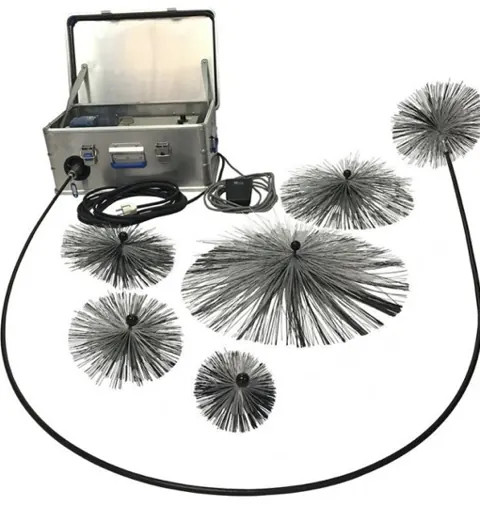 DC4 duct cleaning machineDC4: electric, up to 30 m, ducts from 100 to 600 mm
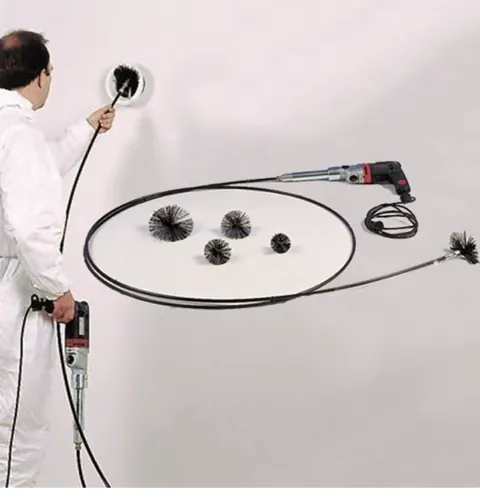 PD4 duct cleanerPD4: runs on a power drill, shaft 2.5 to 7.5 m
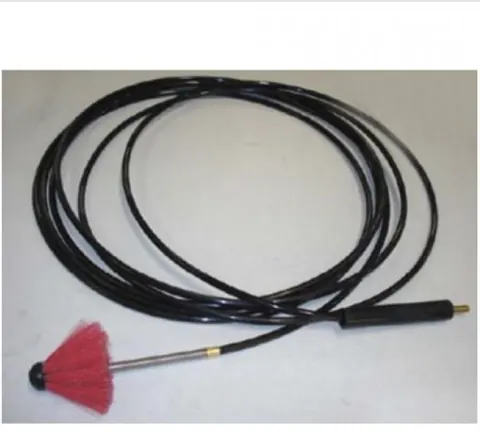 PD2 duct cleanerPD2: compact duct cleaner, specifications via Lamers
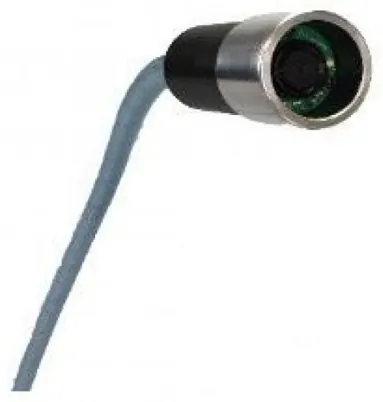 Intelligent AirnozzleCompressed air with camera, ducts from 30 mm
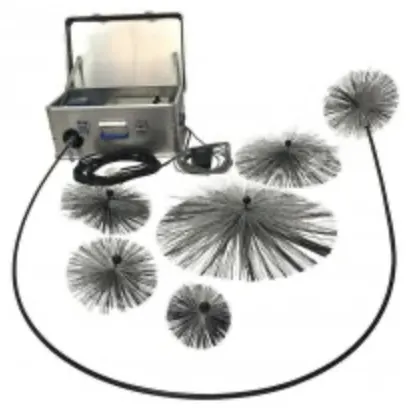 Duct cleaning brushesBrushes and shafts: soft, standard or Tynex
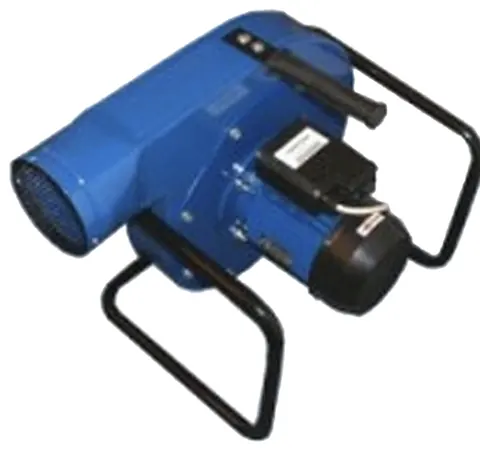 Duct sealing and extractionDuct balloons, diffuser caps and extraction
Frequently asked questions: bakery duct cleaning
What does the Health Council of the Netherlands advise for flour dust in bakeries?
The Health Council recommends 0.2 mg/m3 of inhalable wheat flour dust as an 8 hour average. According to the advice, that value corresponds to an additional 1 percent risk of sensitisation. It is a health based recommendation, not a statutory limit. It does show that every cloud of dust during cleaning counts.
May you use compressed air to blow flour out of bakery ducts?
Alimento and TNO advise against compressed air for cleaning in a bakery, because it blows flour into the room. Use a vacuum cleaner with an M class or HEPA filter and clean ducts with a rotating brush while the duct is under negative pressure. That way the dust goes into the extraction.
Do you need an ATEX vacuum cleaner in a bakery?
According to the TNO memo for the bakery sector, an industrial vacuum cleaner with ATEX 114 certification is essential in EX zones. Outside EX zones a vacuum cleaner with an M class filter is sufficient. Which zones you have is stated in your explosion protection document. Check it before you choose or order equipment.
Can flour dust in a bakery duct explode?
According to TNO, a dust explosion is only possible above 60 g/m3 of fine dust such as flour, meal or sugar. You will not reach that during normal work. It is different in a closed duct or extraction cabinet where a thick layer of dust is suddenly stirred up. So clean with minimal dust and with extraction.
Which machine suits small extraction ducts in a craft bakery?
For short, small ducts at the hoods the PD4 is handy: you drive it with a power drill and the shaft is 2.5 to 7.5 metres long. Brushes of 100 to 600 mm are available separately. For long runs to the roof the DC4, with a reach of up to 30 metres, is more suitable.
Which brush should you use for flour dust in the air ducts of a bakery?
Dry flour usually comes loose easily with a soft or standard brush. If the flour is caked on with moisture or grease, a more aggressive Tynex brush may be needed. Pay attention to the duct material: for sheet metal and duct board the EPA advises soft brushes so the wall is not damaged.
Is cleaning bakery ducts a legal requirement in the Netherlands?
There is no statutory frequency for cleaning bakery ducts. Article 6.2 of the Working Conditions Decree (Arbobesluit) does require sufficient uncontaminated air in the workplace and an installation that is always in working order. A duct full of flour gets in the way of that, so inspecting and cleaning is part of being a good employer.
Why does flour dust end up in the shop of my bakery?
That is often caused by the air balance. If the bakery extraction and the shop ventilation meet and the bakery section becomes contaminated, air carrying flour can flow back. Have the duct cleaned under negative pressure and then ask the installer to check the balance.
How do you prepare for cleaning the extraction system of a bakery?
First check whether the duct falls within an EX zone. Switch off the ventilation and lock it, remove coarse dust with a suitable vacuum cleaner, seal the section with balloons or caps and apply negative pressure. Then clean with a brush and check the result through an access panel or with a camera.
Which limit for flour dust applies in Belgian bakeries?
The Belgian sector fund Alimento mentions a limit of 0.5 mg/m3 for flour dust over 8 hours. In the Netherlands there is the Health Council recommendation of 0.2 mg/m3 for inhalable wheat flour dust. Both figures concern the air employees breathe, not the cleanliness of ducts.
Sources and reference date
All facts on this page were checked on 6 October 2026.
- Health Council of the Netherlands, Wheat and other cereal flour dusts (2017)
- Alimento, brochure on flour dust in bakeries (in Dutch)
- TNO Stofvrij werken, memo on choosing vacuum cleaners in the bakery sector (in Dutch)
- Working Conditions Decree (Arbobesluit) article 6.2, ventilation (in Dutch)
- Danduct, PD4 and PD5
- Lamers, DC4 duct cleaner (in Dutch)
- Danduct, shaft brushes
- EPA, Should you have the air ducts in your home cleaned?
Editorial team: Lamers Reinigingstechniek B.V., supplier of professional air duct cleaning equipment in Zelhem, the Netherlands. Updated on . See also Lamers cleaning equipment for cleaning contractors.
Request a quote or advice from Lamers

René Hendriksen, Sales Account Manager at Lamers, advises you on the machine, brushes and extraction for your jobs.
Briefly tell us what you clean (duct type, diameter, length, contamination and sector). Lamers will contact you with advice and a tailored quote.
Prefer direct contact? Call +31 (0)314 623 341, message us on WhatsApp 06-38048347 or email info@lamersequipment.nl.
Prefer a quick call first? Lamers will call you back

Leave your number. René Hendriksen or a colleague from Lamers will call you back to discuss duct type, diameter and the right equipment.
Or send us a message right away: WhatsApp 06-38048347