

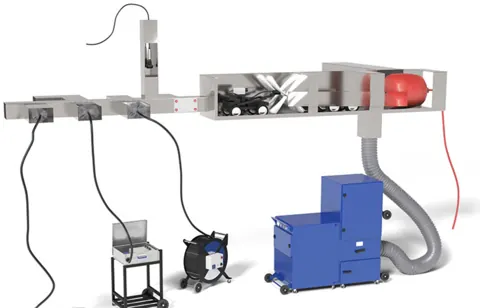
Most buyers are specialist cleaning contractors, installers and facilities teams who clean ductwork at their clients' sites. On this page you can set the machines from Lamers Reinigingstechniek side by side, work through a selection guide and see which brushes, sealing products and extraction you need to put together a complete kit.


Air duct cleaning equipment from Lamers at a glance
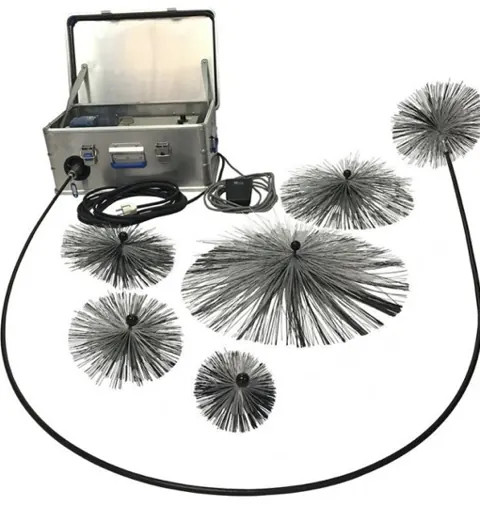 DC4 duct cleaning machineDC4: electric, up to 30 m, ducts from 100 to 600 mm
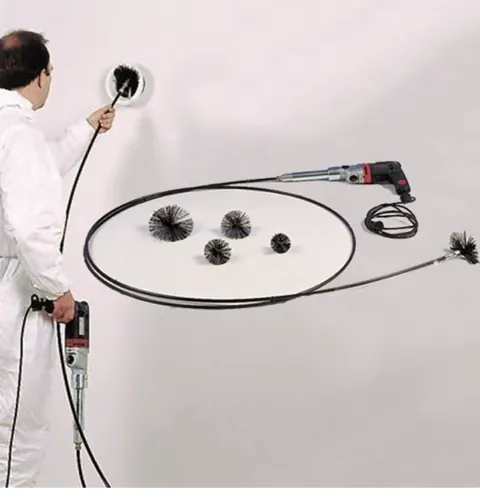 PD4 duct cleanerPD4: runs on a power drill, shaft 2.5 to 7.5 m
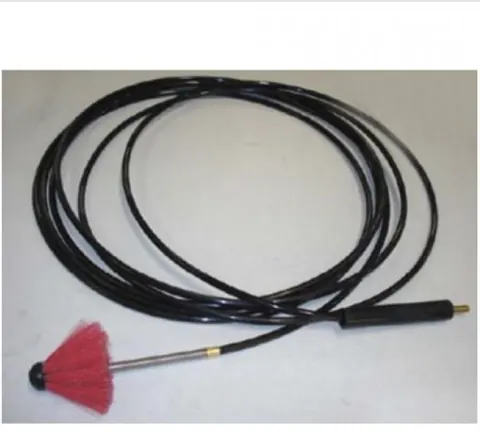 PD2 duct cleanerPD2: compact duct cleaner, specifications via Lamers
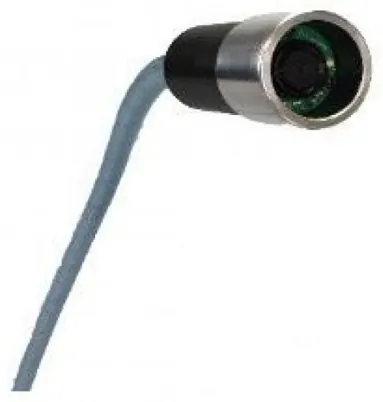 Intelligent AirnozzleCompressed air with camera, ducts from 30 mm
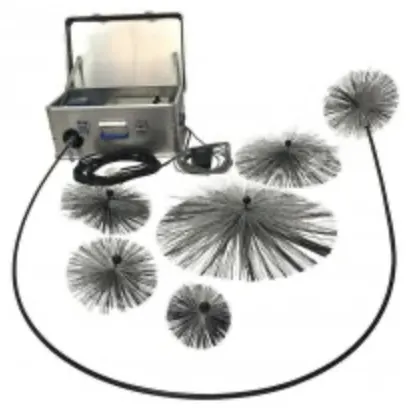 Duct cleaning brushesBrushes and shafts: soft, standard or Tynex
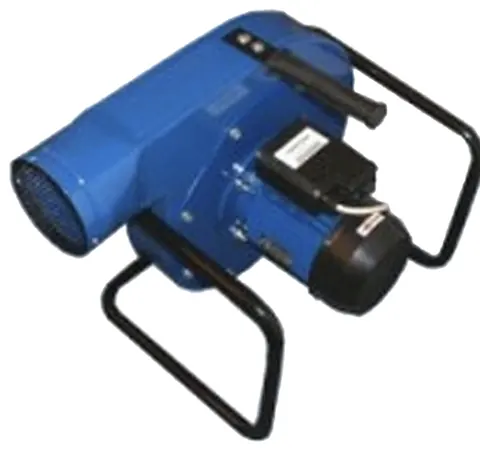 Duct sealing and extractionDuct balloons, diffuser caps and extraction
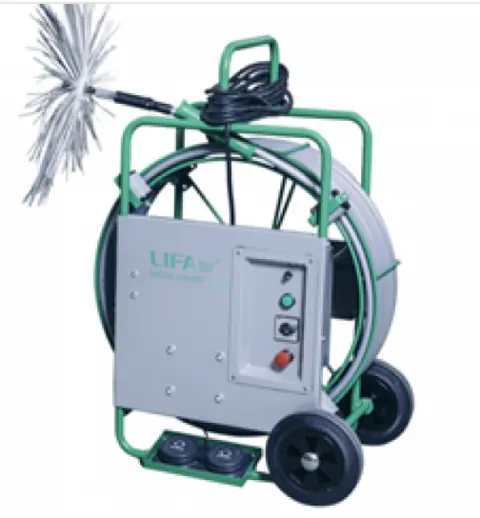 LIFA AIR professional brush machines at LamersView on lamersequipment.nl (in Dutch)
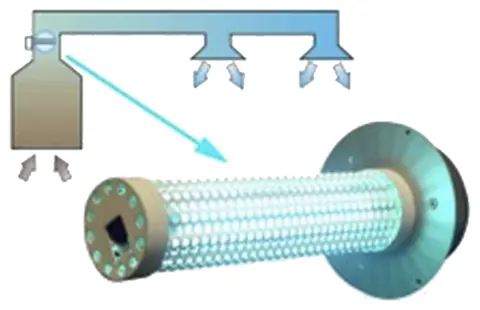 In-duct air purifier at LamersView on lamersequipment.nl (in Dutch)
Which types of air duct cleaning tools are there?
In practice you come across four cleaning methods: rotating brushes on a flexible shaft, a robot with a camera, compressed air and manual cleaning. Whatever the method, negative pressure stops loosened dirt from spreading through the building. A Dutch cleaning company describes exactly this in its explanation of how it works.
- Rotating brush: mechanically loosening dust and deposits. The DC4 and PD4 work this way.
- Compressed air: a nozzle that pulls itself through the duct using air pressure and blows the dirt loose. That is the Intelligent Airnozzle.
- Robot with camera: a driving system that combines images and cleaning. Danduct also has an MPR robot in its range.
- Manual: only feasible for easily accessible parts, such as grilles and valves.
According to the Eurovent recommendation, dry methods are usually sufficient for supply ducts and general extract ducts, while extract ducts from commercial kitchens call for wet methods. That partly decides which duct cleaning equipment you need.
Comparison table: DC4, PD4, PD2 and Airnozzle side by side
Below are the four machines in the Lamers range, based on data from Lamers and manufacturer Danduct Clean (checked on 6 October 2026).
| Feature | DC4 | PD4 | PD2 | Intelligent Airnozzle |
|---|---|---|---|---|
| Principle | Rotating brush | Rotating brush | Ask Lamers | Compressed air |
| Drive | Own motor, 230 volts | Power drill, battery or mains | Ask Lamers | Compressor of 700 L/min or more at about 10 bar, or nitrogen |
| Duct size | 100 to 600 mm | Brushes 100 to 600 mm | Ask Lamers | From 30 mm |
| Reach | Up to 30 m | Shaft 2.5 to 7.5 m | Ask Lamers | 20 m hose included |
| Round and square | ✓ | Ask Lamers | Ask Lamers | Ask Lamers |
| Vertical ducts | ✓ | Ask Lamers | Ask Lamers | Ask Lamers |
| 90 degree bends | ✓ | Ask Lamers | Ask Lamers | ✓ tight bends |
| Camera | ✗ | ✗ | Ask Lamers | ✓ with LED, image via A/V output |
| Rotating left and right | ✓ automatic, adjustable by time | Ask Lamers | Ask Lamers | Not applicable |
Want the details per machine? Then look at the electric DC4 brushing machine, at duct cleaning with a power drill, at the PD2 from Lamers and at the air nozzle with built-in camera.
Selection guide: which duct cleaner suits your situation?
Go through these five questions before you request a quote. You will then already know which direction you are heading.
- What is the smallest diameter? Below 100 mm, a brushing machine with 100 mm brushes drops out and you end up with compressed air.
- How long is the longest run between two openings? Longer than 7.5 metres? Then the DC4 with a shaft of up to 30 metres becomes interesting.
- Are there vertical sections or 90 degree bends? The DC4 handles both, the Airnozzle takes tight bends.
- What kind of dirt is inside? Dry dust calls for something different from sticky grease. With grease you look at more aggressive brushes or a wet method.
- How often will you do it? A facilities team that cleans a few short ducts a few times a year has different needs from a cleaning contractor working every day.
| Situation | First choice | Why |
|---|---|---|
| Office with long supply ducts of 160 to 400 mm | DC4 | Reach up to 30 m, automatic left and right rotation |
| Short extract ducts in washrooms | PD4 | Short shaft, runs on your own power drill |
| Thin ducts with many bends | Intelligent Airnozzle | From 30 mm, self propelling, camera |
| You first want to see how dirty the duct is | Airnozzle or an inspection camera | Image on a monitor, monitor sold separately |
| In doubt about a compact machine | PD2 or PD4 | Lamers provides the PD2 specifications |
Brushes and shafts: completing your duct cleaning kit
The machine is only half the story. The result comes from the brush. Danduct supplies soft, standard and more aggressive Tynex brushes from 100 to 600 mm, plus soft shafts for small ducts with bends. With the DC4, Lamers uses polypropylene brushes of 0.6 and 0.9 mm.
The EPA advises soft brushes for fibreglass duct board and for sheet metal, so that you do not damage the material. An aggressive brush is therefore not automatically better: it belongs with stubborn deposits in a sturdy steel duct.
Manufacturer Danduct offers the DC4 in packages. The Medium package contains the machine, shafts of 10 and 20 metres and a brush set of 7 pieces from 100 to 600 mm. The Large package has shafts of 10, 20 and 30 metres, a trolley, the standard and the aggressive brush set and a shaft holder. Unsure about the mix? Then see how to approach choosing the right duct brush.
Sealing, extraction and inspection around the machine
A cleaning machine without sealing and extraction only moves the dirt around. Danduct has duct balloons to seal off a duct section, foam caps to seal valves and diffusers, and resealable access doors. For extraction there are VT extraction fans with hoses and filtration.
- Keep every section you are cleaning under continuous negative pressure with an extraction unit.
- If that unit exhausts inside the building, use a HEPA filter of 99.97 percent at 0.3 µm.
- Plan access openings no more than 10 metres apart, or so that there are no more than two bends of 45 degrees or more between them (Eurovent).
- Ducts wider than 500 mm need an access door of at least 500 x 400 mm.
Everything about this side of the work is covered under sealing balloons and vent caps.
Compressed air or rotating brush: when do you use which ventilation duct cleaning tools?
Lamers says it honestly: cleaning with an air nozzle was always considered less effective than rotating brushes. The camera in the Intelligent Airnozzle changes that, because you see every spot and corner and can clean in a targeted way. Even so, the brush remains strong wherever mechanical force is needed.
There are also situations where compressed air is less practical. In bakeries, Alimento and TNO advise against compressed air for cleaning because of flour dust, and in EX zones an ATEX 114 certified vacuum cleaner is required. In such environments, always discuss with Lamers how to prevent dust from spreading.
Fictional example: the facilities team of a care location has long supply ducts of 250 mm and a series of thin extract pipes. For the supply it chooses the DC4, for the thin pipes the Airnozzle, and with the camera it records what the duct looks like before and after cleaning.
Danduct Clean and LIFA AIR: how do the ranges compare?
For orientation: other manufacturers also make brushing machines. LIFA AIR is not a Lamers product, but it helps to put the sizes in perspective.
| Machine | Manufacturer | Duct size | Shaft or hose |
|---|---|---|---|
| DC4 | Danduct Clean | 100 to 600 mm | Up to 30 m |
| PD4 | Danduct Clean | Brushes 100 to 600 mm | 2.5 to 7.5 m |
| PD5 | Danduct Clean | 80 to 250 mm | 3 to 15 m |
| SpecialCleaner 20 | LIFA AIR | 100 to 400 mm | Not stated |
| CombiCleaner 15 | LIFA AIR | 160 to 600 mm | Not stated |
| CombiCleaner 40 | LIFA AIR | 400 to 1200 mm | 40 m |
For most ducts in offices, schools and care buildings the diameter falls within 100 to 600 mm. Very large industrial ducts call for a separate conversation about the approach.
Misconceptions when buying a duct cleaning kit
More power is always better. Not true. A brush that is too hard can damage duct board. Choose based on material and dirt.
One machine does everything. Rarely. Many buildings have both long main ducts and short, thin branches. Two machines that complement each other often work better than one that never quite fits anywhere.
Cleaning is done once the duct looks clean. In care, food and hospitality you have to demonstrate the result, for example with a surface comparison, a NADCA vacuum test or a grease layer thickness measurement. The requirements per sector are set out under sectors that need clean air ducts and under duct cleaning standards.
Which ventilation duct cleaning tools suit your cleaning business?
If you buy equipment to offer duct cleaning as a service to other businesses, do not choose the machine but the kit that fits your clients. Four profiles you often see in practice:
| Cleaning contractor profile | Basis | Extension |
|---|---|---|
| Installer working in homes and small buildings | PD4 on your own power drill, soft brushes, diffuser caps | PD2 (specifications via Lamers), extraction unit with filter |
| All round commercial: offices, schools, care | DC4 Medium package, foam caps, balloons, HEPA extraction | Intelligent Airnozzle for thin pipes and camera images |
| Specialist in kitchen extraction cleaning for hospitality | DC4 with aggressive Tynex brushes | DC4 Sprayer System, layer thickness gauge |
| Industrial cleaning contractor | DC4 Large package with shaft up to 30 m and trolley | Industrial vacuums, advice for ducts above 600 mm |
If you work in a yearly round with regular clients, what counts most is how quickly you set up and whether you can give the client a report with images. A machine that rotates your shaft left and right automatically, such as the DC4, then saves time per duct. How to organise inspection, cleaning, reporting and your business model around such a kit is explained under equipment for cleaning contractors.
How to ask Lamers for advice or a quote
The better your data, the faster the advice. List these points:
- Diameters and shapes (round, square, rectangular) of the ducts.
- Length of the longest run between two openings.
- Number and type of bends, and whether there are vertical sections.
- Type of contamination: dust, grease, flour or construction dust.
- Available power and compressed air on site.
You can then ask for duct cleaning advice, request a callback or ask for a quote straight away, also via WhatsApp. If you would like to read the basics first, start with professional air duct cleaning.
Frequently asked questions: duct cleaning equipment
Which duct cleaning equipment do I need for ducts of 100 to 600 mm?
For that size the DC4 and the PD4 come into view, both with rotating brushes of 100 to 600 mm. The DC4 has its own motor and reaches up to 30 metres, the PD4 runs on a power drill with a shaft of 2.5 to 7.5 metres. The length of your runs therefore often decides the choice.
Which tool do you use for air ducts thinner than 100 mm?
Then the Intelligent Airnozzle from Danduct Clean is the logical choice. It works with compressed air, fits ducts from 30 mm, pulls itself through the duct by air pressure and takes tight 90 degree bends. You do need a compressor that delivers 700 litres per minute or more at about 10 bar.
What is in the DC4 Medium package and what is in the Large package?
According to Danduct, Medium contains the machine, shafts of 10 and 20 metres and a brush set of 7 pieces from 100 to 600 mm. Large has shafts of 10, 20 and 30 metres, a trolley, a standard and an aggressive brush set of 7 pieces each and a shaft holder. Ask Lamers which combination suits your work.
Do I need extraction as well as a duct cleaning machine?
Yes. Loosened dirt has to go somewhere. Keep the duct section you are cleaning under continuous negative pressure with an extraction unit, and use a HEPA filter of 99.97 percent at 0.3 µm if that unit exhausts inside the building. Duct balloons and foam caps stop dust from entering the room through the valves.
Which duct cleaning brush should I choose for fibreglass duct board?
Choose a soft brush. The EPA advises soft brushes for fibreglass duct board and for sheet metal to prevent damage. Danduct supplies soft, standard and more aggressive Tynex brushes. Keep the aggressive version for sturdy steel ducts with stubborn deposits, and talk to Lamers if you are in doubt.
What is the difference between the Danduct PD4 and PD5 duct cleaners?
The PD4 has a shaft of 2.5 to 7.5 metres and brushes of 100 to 600 mm. The PD5 is intended for ducts of 80 to 250 mm and has a shaft of 3 to 15 metres. Both run on a power drill. The PD4 is in the Lamers range, the PD5 is mentioned here for comparison.
Why is the PD2 listed without specifications in the duct cleaning equipment table?
The PD2 is in the Lamers range, but its specifications could not be retrieved publicly when this page was written. Request them directly from Lamers. Pass on your duct sizes and run lengths at the same time, and you will also get advice on whether the PD2 suits your application.
Can the Intelligent Airnozzle replace a duct brushing machine?
Not always. Compressed air with an air nozzle was long considered less effective than rotating brushes. With the camera in the Airnozzle, however, you see every spot and corner and clean in a more targeted way. In many buildings a combination works best: a brush for the main ducts, the Airnozzle for thin branches.
Which equipment works for greasy extract ducts in commercial kitchens?
According to the Eurovent recommendation, wet methods are needed for extract ducts from commercial kitchens, while dry methods are usually sufficient for supply and general extract. Danduct offers a spray system for the DC4. Discuss with Lamers which brushes and which system suit the grease layer in your ducts.
Which ventilation cleaning kit should a start up cleaning contractor choose?
That depends on your first clients. If you mainly work in homes and small buildings, the PD4 on a power drill with soft brushes and diffuser caps is a light start. If you focus on offices, schools and care, choose a DC4 with duct balloons and HEPA extraction. Ask Lamers for advice based on your duct sizes.
Sources and reference date
All facts on this page were checked on 6 October 2026.
Editorial team: Lamers Reinigingstechniek B.V., supplier of professional air duct cleaning equipment in Zelhem, the Netherlands. Updated on . See also about Lamers Reinigingstechniek.
Request a quote or advice from Lamers

René Hendriksen, Sales Account Manager at Lamers, advises you on the machine, brushes and extraction for your jobs.
Briefly tell us what you clean (duct type, diameter, length, contamination and sector). Lamers will contact you with advice and a tailored quote.
Prefer direct contact? Call +31 (0)314 623 341, message us on WhatsApp 06-38048347 or email info@lamersequipment.nl.
Prefer a quick call first? Lamers will call you back

Leave your number. René Hendriksen or a colleague from Lamers will call you back to discuss duct type, diameter and the right equipment.
Or send us a message right away: WhatsApp 06-38048347